

401(k) round-up: A guide to contributions, rollovers, and withdrawals
401(k) round-up: A guide to contributions, rollovers, and withdrawals
Learn how to make the most of workplace plans
401(k) round-up: A guide to contributions, rollovers, and withdrawals
Learn how to make the most of workplace plans

10.08.2025

Listen
·401(k) round-up: A guide to contributions, rollovers, and withdrawals
Key takeaways:
A 401(k) is a powerful, tax-advantaged way to save for retirement — and employer matching potentially can accelerate progress
Starting early and contributing consistently can help maximize compounding growth over time
Understanding plan features, investment options, and rollover rules empowers smarter decision-making
Withdrawals and loans come with tax and penalty implications, so it’s important to know the rules
Combining a 401(k) with other retirement savings like IRAs can broaden strategy and potentially offer tax benefits
The Currency offers an array of 401(k) resources to help individuals optimize their workplace retirement plans. From contributions and matches to investment choices, rollovers, and withdrawals, these resources break down key concepts to help make confident, informed moves toward long-term financial goals.
Understanding how a 401(k) works and making the most of it over time can be a key component of a holistic retirement plan. The Currency offers insights that can add value for both new savers or those fine tuning their strategy — on everything from getting started and maximizing contributions to navigating rollovers, loans, and withdrawals. Use this snapshot to tap into resources available for helping make more informed retirement planning decisions.
What is a 401(k)?
This primer touches on 401(k) basics like how plans work, including tax-treatment differences between traditional and Roth contributions, investment options, and the rules around withdrawals and limits. It’s a good starting point for someone new to retirement plans. Read more.
Top benefits of a 401(k) plan: Start saving early
Discover some core advantages of 401(k)s, such as tax deferral, employer matching, and the power of compounding, and get strategies to help make the most of this benefit through maxing contribution limits and automatic enrollment. Read more.
How to understand your 401(k) plan
A 401(k) retirement plan can be a key element of an employee benefits package — but the type of plan each employer offers may vary. Gain insight on the various features of a 401(k) plan, such as investment menu, matching structure, default settings, and eligibility. Learn some key questions to ask in order to make more informed decisions about contributions and fund choices. Read more.
401(k) vs. 403(b)
401(k) and 403(b) plans are both employer-sponsored retirement accounts with the same contribution limits, tax advantages, and withdrawal rules, but different catch-up rules. The main distinction is who can use them: 401(k)s are typically offered by for-profit companies, while 403(b)s are available from nonprofit organizations, schools, and churches. The two plan types may also differ in costs, investment choices, and employer contribution options. Read more.
Read more: Spousal IRA: What it is and how it works
What percentage should I contribute to my 401(k)?
Setting a benchmark contribution rate like 10% of salary and using an automatic escalation feature when available can be a good way to gain ground each year. Get guidance on how to take advantage of employer matches and catch-up contributions. Read more.
What should I consider when picking my 401 (k) investments? Get a Sense Check
Empower’s Ryan Deakins explains how to pick 401(k) investments, breaking down strategy, contribution approaches, and fund options — including mutual funds, target-date options, and asset allocation. Deakins emphasizes aligning investment choices with goals and risk tolerance, and not chasing returns. Read more.
What is 401(k) matching and how does it work?
Some employers match 401(k) contributions, which means they add contributions to an employee’s 401(k) account — often as a percentage of the employee’s salary or contributions. Matching can be dollar-for-dollar or partial, and the specific formula varies by plan. Find out how setting aside enough to unlock an employer’s matching funds can potentially help accelerate retirement savings over time. Read more.
Average 401(k) balance by age
Average balances differ widely depending on age, with savings generally increasing during peak working years. Reviewing age-based averages provides a benchmark for tracking personal progress, underscoring the benefits of consistent contributions, compounding returns, and employer matching. See how savers stack up by age group, based on Empower Personal DashboardTM data. Read more.
Read more: Young investors turn to Roth IRAs for retirement planning
401(k) withdrawal rules: How to avoid penalties
401(k) accounts stand out for their tax benefits, and it can be a complex calculation to withdraw money while still working toward financial goals. Explore the rules around taking money out of a 401(k) early, including the standard 10% penalty, exceptions (hardship, separation from service, etc.), and required minimum distributions, and delve into alternatives like loans or hardship withdrawals. Read more.
401(k) loans: What they are and how they work
A 401(k) loan allows individuals to borrow against their retirement savings and repay the funds, typically through payroll deductions. While loans can provide short-term financial relief, they can come with tradeoffs — they may reduce long-term growth potential, can include potential taxes or penalties, and can create challenges in the event of a job change before repayment is complete. Learn about the pros, cons, opportunity costs, and alternatives to borrowing from a workplace plan. Read more.
401(k) rollover options
Funds from a former employer’s 401(k) can be moved into a new employer’s plan or into an IRA, either traditional or Roth. Understand the distinction between direct and indirect rollovers, including different processes and tax treatments, to decide on the best option. Read more.
401(k) RMD rules to know before you withdraw
A required minimum distribution (RMD) is the minimum amount you must withdraw annually from a 401(k) or other qualified retirement plan starting at a certain age. Rules outline how withdrawals are calculated and when they must begin — missing an RMD deadline can lead to costly penalties, but understanding the rules, such as when to start, how much to withdraw, and how to calculate it can help retirees stay compliant and avoid unnecessary tax burdens. Get details on how and when to take 401(k) RMDs, including age rules, deadlines, taxes, and penalties. Read more.
Read more: 5 IRA benefits for retirement planning
What happens to your 401(k) if you quit your job?
After leaving a job, there are a few options for what to do with assets in a 401(k) account — typically funds can stay in the old plan, be rolled to a new employer plan or rolled to an IRA, or be cashed out (taxes or penalties may apply). Direct rollovers avoid the 60-day clock and mandatory 20% withholding that apply to most plan distributions. Read more.
Can I contribute to a 401(k) and an IRA?
It is possible to contribute to both a 401(k) and an IRA, subject to annual contribution limits. Eligibility for tax-deductible or Roth IRA contributions depends on income levels and access to workplace plans. Find out how using both accounts strategically can increase tax advantages and diversify retirement savings. Read more.
Becoming the 401(k) millionaire next door
The category of retirement millionaires continues to grow, according to Empower data. Reaching a seven-figure 401(k) balance may be attainable with consistent contributions, disciplined investing, and careful long-term planning. Starting early, taking full advantage of employer matches, and steadily increasing contributions help maximize the power of compounding. Staying invested during market fluctuations supports steady growth toward millionaire status. Learn how Empower Personal DashboardTM users spend, save, and invest to get there. Read more.
What is a safe harbor 401(k)?
A safe harbor 401(k) includes required employer contributions designed to simplify IRS compliance testing. Under a traditional safe harbor 401(k), employees are immediately vested in company contributions. Employers can avoid yearly nondiscrimination testing by following safe harbor rules. Companies can choose to provide contributions whereby the employee can collect funds without needing to defer any of their own. Learn how a safe harbor 401(k) works and its potential benefits for employers and employees. Read more.
Read more: Roth vs. traditional IRAs: Which should I choose?
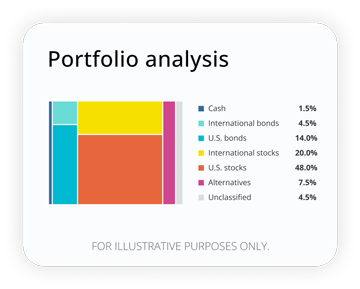
How well are your investments performing?
Analyze your portfolio in minutes and receive a target allocation for your goals.
RO4883524-1025
 Get The Currency newsletter



The Currency editors
Staff contributors
The CurrencyTM writers and editors cover the latest financial news and insights shaping how we live, work, and play. The team provides accurate, data-driven, and timely content aimed at empowering financial freedom for all.
The content contained in this blog post is intended for general informational purposes only and is not meant to constitute legal, tax, accounting or investment advice. You should consult a qualified legal or tax professional regarding your specific situation. No part of this blog, nor the links contained therein is a solicitation or offer to sell securities. Compensation for freelance contributions not to exceed $1,250. Third-party data is obtained from sources believed to be reliable; however, Empower cannot guarantee the accuracy, timeliness, completeness or fitness of this data for any particular purpose. Third-party links are provided solely as a convenience and do not imply an affiliation, endorsement or approval by Empower of the contents on such third-party websites. This article is based on current events, research, and developments at the time of publication, which may change over time.
Certain sections of this blog may contain forward-looking statements that are based on our reasonable expectations, estimates, projections and assumptions. Past performance is not a guarantee of future return, nor is it indicative of future performance. Investing involves risk. The value of your investment will fluctuate and you may lose money.
Certified Financial Planner Board of Standards Inc. (CFP Board) owns the certification marks CFP®, CERTIFIED FINANCIAL PLANNER™, CFP® (with plaque design), and CFP® (with flame design) in the U.S., which it authorizes use of by individuals who successfully complete CFP Board's initial and ongoing certification requirements.