

Is a 529 plan worth it? Pros, cons, and when it makes sense
Is a 529 plan worth it? Pros, cons, and when it makes sense
Tax advantages, flexible rules, and long-term growth potential can make 529 plans a compelling way to save for education
Is a 529 plan worth it? Pros, cons, and when it makes sense
Tax advantages, flexible rules, and long-term growth potential can make 529 plans a compelling way to save for education

06.30.2026
Key takeaways
- 529 plans offer the potential for tax-free growth and tax-free withdrawals to help maximize education savings.
- 529 plans offer built-in flexibility to change beneficiaries, use funds for a range of education expenses, and rollover unused savings into a Roth IRA.
- Even small, automatic contributions made consistently over time can add up.
A 529 plan is often one of the first savings options that comes up for parents, grandparents, and others looking ahead to future education costs. But when weighing college savings against competing financial priorities like retirement savings, housing expenses, investment and other money goals, some may wonder, are these accounts worth it?
Thanks to the potential for tax-free growth, tax-free withdrawals for qualified education expenses, and increasing flexibility, a 529 plan can be an effective way to save for college and other educational opportunities. Their popularity is widespread, with families holding roughly 17.7 million 529 savings and prepaid tuition accounts with about $602.9 billion in assets at the end of 2025.
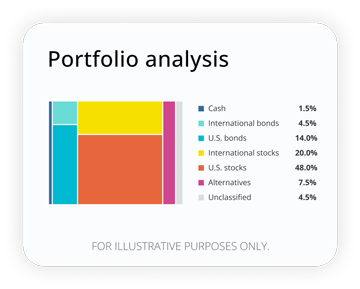
How well are your investments performing?
Analyze your portfolio in minutes and receive a target allocation for your goals.
Potential pros of a 529 plan
529 plans offer federal tax benefits
One potential advantage of a 529 plan is its tax treatment — in fact, a 529 can provide tax savings even before a child sets foot on campus. Contributions are made with after-tax dollars, but investments can grow federally tax-free. Once you begin using the funds, withdrawals are generally tax-free when used for qualified education expenses.
That combination can potentially be a significant advantage for long-term savers. Instead of paying taxes each year on investment gains, dollars earned can stay invested and have the potential to compound over time.
Read more: What can 529 funds be used for? Get a Sense Check
529 plans can provide state tax credits and deductions
While 529 contributions aren't deductible on your federal tax return, 30 states and the District of Columbia offer state income tax deductions or tax credits for eligible contributions.1 This means families who contribute to their home state's plan potentially can lower their state taxable income while simultaneously investing for future education expenses. Additionally, nine tax parity states offer tax benefits for contributions made to both in- and out-of-state 529 plans.2
529 plans cover more than tuition
While the tax advantages of a 529 plan generally apply only to qualified education expenses, eligible expenses have expanded under recent law changes and may include:
- College tuition and fees
- Books and supplies
- Computers
- Room and board
- Up to $20,000 per year in K–12 tuition
- Trade school programs and apprenticeships
- Student loan repayments
Read more: 529 plan qualified expenses: What counts and what does not
529 plans have built-in flexibility
Some families might hesitate to open a 529 account out of concern that some or even all of the money could go unused. The good news is that 529 plans are designed to be flexible when circumstances change. For example, if one child decides not to attend college or doesn’t need the full amount, typically the funds for that beneficiary can be transferred to a different beneficiary who is related.
There are other options for unused 529 plan funds. If your child receives a college scholarship, you can withdraw the same amount from their plan, penalty free. But keep in mind that the withdrawal will count as taxable income.
Unused 529 funds can also be used to give an early boost to retirement savings for the beneficiary. A lifetime maximum of $35,000 in 529 assets can be rolled over into a Roth IRA — provided the account has been open for at least 15 years and other IRS requirements are met.3
Read more: What to do if you have an overfunded 529 plan
You don’t need to make large contributions to a 529 plan to make a difference
One misconception about 529 plans is that you need a large lump sum to get started. In reality, opening an account can be a fairly simple process, and even modest, consistent contributions can add up over time thanks to the potential of compounding.
Automating your contributions can make saving easier by helping ensure money is invested regularly, whatever the amount you set aside. Regular automatic deposits also remove some of the guesswork from saving and can help families stay on track without having to think about making manual contributions.
Starting early can be just as important as the amount you contribute. The longer your money remains invested, the more opportunity it has to grow tax-free until the time education expenses arrive.
Many 529 plans also make it easy for grandparents, relatives, and friends to contribute instead of giving traditional birthday or holiday gifts. This can help families build education savings over time without shouldering the entire burden themselves.
And if grandparents own a 529 plan for a grandchild, distributions from that account generally are not reported as student income on the Free Application for Federal Student Aid (FAFSA®) under current federal financial aid rules.
Read more: 529 plan myths: 6 facts that could change how you save
Potential cons of a 529 plan
The tax advantages of a 529 plan are tied to education and there are many student-related expenses that do not qualify under IRS rules — so withdrawals used for non-qualified expenses generally trigger ordinary income taxes on earnings plus a 10% penalty on the earnings portion. Investment options also tend to be limited to the portfolios offered by each plan, rather than allowing investors to build fully customized portfolios of individual stocks.
Still, for families whose goal is saving for education, those tradeoffs are often outweighed by the tax benefits, long-term growth potential, and increasing flexibility of today's plans.
Does a 529 plan make sense for you?
If education is part of your family's future, a 529 plan can be a powerful savings tool. The combination of tax-free growth, tax-free qualified withdrawals, potential state tax incentives, and greater flexibility than ever before can help families build dedicated education savings while making the most of the dollars they invest. And because the money has years — or even decades — to potentially grow, getting started early can have an outsized impact.
The Empower college savings calculator can be a valuable tool to estimate the average cost of college and help you determine how much you need to save, including any potential shortfall.
Read more: How to choose a 529 plan
1 Saving for College, “Are 529 Contributions Tax Deductible? State-by-State Guide and What It’s Worth,” November 20, 2025.
2 Ibid.
3 Saving for College, “Are 529 Plans Worth It? Benefits, Drawbacks, and Comparisons,” January 9, 2026.
RO5664445-0626
 Get The Currency newsletter



The Currency editors
Staff contributors
The CurrencyTM writers and editors cover the latest financial news and insights shaping how we live, work, and play. The team provides accurate, data-driven, and timely content aimed at empowering financial freedom for all.
The content contained in this blog post is intended for general informational purposes only and is not meant to constitute legal, tax, accounting or investment advice. You should consult a qualified legal or tax professional regarding your specific situation. No part of this blog, nor the links contained therein is a solicitation or offer to sell securities. Compensation for freelance contributions not to exceed $1,250. Third-party data is obtained from sources believed to be reliable; however, Empower cannot guarantee the accuracy, timeliness, completeness or fitness of this data for any particular purpose. Third-party links are provided solely as a convenience and do not imply an affiliation, endorsement or approval by Empower of the contents on such third-party websites. This article is based on current events, research, and developments at the time of publication, which may change over time.
Certain sections of this blog may contain forward-looking statements that are based on our reasonable expectations, estimates, projections and assumptions. Past performance is not a guarantee of future return, nor is it indicative of future performance. Investing involves risk. The value of your investment will fluctuate and you may lose money.
Certified Financial Planner Board of Standards Inc. (CFP Board) owns the certification marks CFP®, CERTIFIED FINANCIAL PLANNER™, CFP® (with plaque design), and CFP® (with flame design) in the U.S., which it authorizes use of by individuals who successfully complete CFP Board's initial and ongoing certification requirements.