

Coming in hot 🌡️

05.28.2026
Your A/C bill could become an inflation story as the weather warms. U.S. households are projected to spend an average of $778* on electricity between June and September as demand for cool air surges — an 8.5% increase from last summer’s costs.
The projected spike in electricity costs would outpace overall inflation, adding strain on households already facing higher prices for gas, groceries, and other essentials.
The good news? A few small adjustments at home — and to your finances — can help. Equipment tune-ups and better thermostat management can knock roughly 3%* off electricity bills. Budgeting for variable expenses and revisiting your cash flow can also help insulate your savings from seasonal surges.
— The Editors

🎒School’s out: As the academic year winds down, summer can be a great time for families to revisit their 529 plan. A quick refresher on qualified withdrawal rules can help avoid costly surprises this fall or later. Summer break can also be an opportunity for parents with younger kids to explore opening a college savings plan early — giving their money more time to potentially grow.
🌅Later days: It’s never too early to plan for life after work. Empower Personal DashboardTM data shows traditional IRA balances average about $46,107 for savers in their 20s and $716,661 for those in their 60s. Roth IRA balances tend to be lower, but the average saver still has $106,073 put away. Learn more about Roth IRAs — and whether maxing out your account makes the most sense for your goals.
🛟 Money floaties: From vacations and weddings to camps and concerts, summer spending can sneak up quickly — making "sinking funds" handy. Unlike an emergency fund, a sinking fund is designed for predictable expenses, allowing you to spread costs over time instead of scrambling when the bill hits. Here’s how to set up the financial version of water wings for your budget.

Hot degrees
As new grads enter a tougher labor market, students may be wondering whether their degree will pay off. A new study* found bachelor’s degrees in engineering, architecture, business, and economics delivered some of the strongest financial returns — earning graduates more than $180K above non-enrollees over 15 years.
Regardless of degree or income level, landing a first job — or any new job — can be a great time to set stronger financial habits, from upping your savings rate to ensuring you’re getting the full employer match on your 401(k).

Moving season
Summer is peak moving season, but today’s housing market has many Americans weighing whether to rent, buy — or negotiate. A wave of new apartment construction in some cities is giving renters leverage,* with landlords offering concessions and lower rents as competition for tenants heats up.
Meanwhile, elevated home prices and other factors pushed first-time buyers to just 21% of purchases last year. Still, Gen Z and other younger buyers are finding their own paths into the market. Here are 10 things to know before buying your first home.

Vacation mode
Travel has topped every other credit card spending category — from restaurants to retail — over the past two years, according to Empower Personal Dashboard™ data. Americans spent a monthly average of $1,211 on travel in 2025, up 10% from the previous year, though early 2026 data suggests spending may be cooling slightly.
Higher costs for airfare, hotels, gas and dining are prompting some Americans to rethink their summer travel plans. From shorter getaways to using reward points and off-peak bookings, learn how travelers are exploring new ways to make summer vacations work.

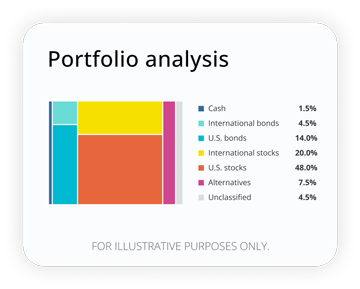
How well are your investments performing?
Analyze your portfolio in minutes and receive a target allocation for your goals.
Third-party data is obtained from sources believed to be reliable; however, Empower cannot guarantee the accuracy, timeliness, completeness, or fitness of this data for any particular purpose. Third-party links are provided solely as a convenience and do not imply an affiliation, endorsement, responsibility, or approval by Empower of the contents on such third-party websites.
RO5513905-0526 WF6370506-0526
 Get The Currency newsletter



The Currency editors
Staff contributors
The CurrencyTM writers and editors cover the latest financial news and insights shaping how we live, work, and play. The team provides accurate, data-driven, and timely content aimed at empowering financial freedom for all.
The content contained in this blog post is intended for general informational purposes only and is not meant to constitute legal, tax, accounting or investment advice. You should consult a qualified legal or tax professional regarding your specific situation. No part of this blog, nor the links contained therein is a solicitation or offer to sell securities. Compensation for freelance contributions not to exceed $1,250. Third-party data is obtained from sources believed to be reliable; however, Empower cannot guarantee the accuracy, timeliness, completeness or fitness of this data for any particular purpose. Third-party links are provided solely as a convenience and do not imply an affiliation, endorsement or approval by Empower of the contents on such third-party websites. This article is based on current events, research, and developments at the time of publication, which may change over time.
Certain sections of this blog may contain forward-looking statements that are based on our reasonable expectations, estimates, projections and assumptions. Past performance is not a guarantee of future return, nor is it indicative of future performance. Investing involves risk. The value of your investment will fluctuate and you may lose money.
Certified Financial Planner Board of Standards Inc. (CFP Board) owns the certification marks CFP®, CERTIFIED FINANCIAL PLANNER™, CFP® (with plaque design), and CFP® (with flame design) in the U.S., which it authorizes use of by individuals who successfully complete CFP Board's initial and ongoing certification requirements.