

5 terms to know to use credit cards responsibly
5 terms to know to use credit cards responsibly
Credit cards are more complex than just money going in and out
5 terms to know to use credit cards responsibly
Credit cards are more complex than just money going in and out

03.19.2026
Key takeaways
- U.S. credit card balances climbed 5.5% year over year to a record $1.28 trillion at the end of 2025
- Balance transfers may reduce interest temporarily but require careful timing
- Late fees average about $32 and can affect payment history on credit reports
Americans held an all-time high of $1.28 trillion in credit card balances at the end of Q4 2025, according to the Federal Reserve Bank of New York, amounting to a 5.5% year-over-year jump in debt.1 Recent shifts in U.S. inflation and fluctuating gas prices have brought rising credit card debt into the economic spotlight.
In February, applications for new credit over the past 12 months reached a level not seen since October 2022, with credit card applications and limit increases fueling the growth.2
As some 35% of people are motivated to improve their financial situation when they think about money, revisiting credit cards can be a great place to start. While each account’s setup can vary, understanding certain terms could help people get a better grip on their financial picture — and take action if they want to change their approach.
Credit term #1: Credit utilization
People can apply and get approved for one credit card or many, and accounts can be spread across a variety of financial institutions (like a local or online bank or credit union) or businesses (such as getting a store’s branded credit card). Thinking about credit overall is just as important as the individual bills, and tracking what you’ve saved and what you owe through financial tools can help people stay informed in real time.
A person’s credit score is made up of several factors, though credit utilization accounts for 30% of how a score is generated. Credit utilization is calculated by taking how much revolving credit is being used at a given time and dividing that by the total amount of credit available. A card with a $10,000 limit and a $1,000 balance would have 10% credit utilization — but just for that single credit card. Since credit-scoring companies look at people’s financial situations on the whole, make sure to take account of all credit card debt.
The scene can change quickly if life is more complex: Expand the scenario to that same person who has $1,000 of debt on that one card — but now they have multiple cards. With a total credit limit of $50,000, if they’re using $25,000 already across all the cards, they now have a credit utilization ratio of 50%. It's generally recommended to keep credit utilization around 30% or less.
Read more: How do I pay off credit card debt? Get a Sense Check
Credit term #2: Minimum payment
The cycle of credit cards centers around the combination of time and monthly statements. Financial institutions create a recap at the end of each credit cycle showing transactions, credits, fees, and interest accumulated since the last cycle; that’s the statement received each month electronically or through the mail. Some people focus a lot on the minimum payment that the account holder is required to make, though paying the minimum doesn’t mean the debt is done.
People may hear the terms “paying the minimum” and “paying in full,” which are two very different concepts when it comes to credit cards. It also means different downstream effects for your cash flow.
If a statement shows a total statement balance of $1,000 and a minimum payment of $40, a person could just pay the $40 and fulfill their monthly obligation to the card issuer. The remaining balance of $960 will stay on their account as debt, carry over into the next monthly cycle (or longer), and accumulate interest for however long it is not paid off. It could take months or years to pay off that $960, plus interest, depending on how much money is paid into the account. As of November 2025 (the most recent data available), the average interest rate for credit card accounts charging interest was 22.3%, according to the Federal Reserve.3
In comparison, paying that entire statement balance of $1,000 when due would avoid interest charges; you’ve paid just for what you’ve spent — as long as the full payment is reflected before the due date.
Read more: Strategies for dealing with credit card debt
Credit term #3: Balance transfer
The average American home gets 848 pieces of junk mail each year, and offers for new credit cards and related products are often in the mix.4 This happens because credit card companies look to get new customers by prescreening or prequalifying people for credit products, based on information they glean from credit reports.5 Promotions around balance transfer credit cards can catch attention, and it’s important to thoroughly assess offers before considering a move.
A balance transfer involves moving existing card debt onto a new credit card, which can often have a lower interest rate or even an introductory 0% period.6 People get the chance to pay no interest on their balance for a specific amount of time. For those who can pay off their balance within this time frame, this can be a welcome strategy to more quickly handle debt. However, if that’s not the case, interest rates can kick back in and the debt cycle continues.
Credit term #4: Late fees
Due dates are essential. They’re clearly listed on monthly statements, and credit card companies will let account holders set up reminders through email, text, or push notifications. Whether you’re making a minimum payment, paying a full statement balance, or somewhere in between, the money still needs to be applied to the account by the monthly due date. If not, issuers can charge a late fee (on top of the money you already owe), which averages around $32.7
In addition to avoiding potential late fees, timely payments are a signal to creditors about your ability to handle debt. On-time payments contribute to a person’s credit score, as do late payments in potentially negative ways.
Credit term #5: Cosigners and authorized users
Having a credit card doesn’t have to be a solo financial decision. Parents have been increasingly adding young children and teens as authorized users onto existing credit accounts to try and boost their kids’ credit scores, while cosigners play a pivotal role for those looking to expand their access to credit. However, these added users contribute differently to the primary cardholder’s account.
Think of an authorized user as an additional spender; these people can get their own card on the same account and can spend from the pool of available credit. While they may benefit from the account in their credit report, authorized users are not legally responsible or “on the hook” to pay charges.8
Meanwhile, a cosigner applies alongside a person for joint legal responsibility of a credit card, using their income and credit information to help qualify. Unlike authorized users, the cosigner is required to make payments toward the account if the primary cardholder isn’t able to.9
Harnessing credit for the future
With a third of Americans saying they’re mostly cashless, credit cards are playing a larger role in people’s spending strategies. With a third also saying they’re more likely to make impulse purchases with digital payments, according to Empower findings, it’s important to know the ins and outs of credit cards to stay in control of debt for the long haul.
Frequently asked questions about credit cards
How do balance transfers work?
A balance transfer moves existing credit card debt to a new card, often with a temporary low or 0% introductory rate. If the balance is not paid off before the promotional period ends, regular interest rates resume.
Do late fees affect credit?
Late fees add to the amount owed and may signal payment-timing challenges to creditors. Because payment history is a key credit-score factor, repeated late payments can negatively affect credit reports.
What is the difference between a cosigner and an authorized user?
A cosigner shares legal responsibility for the credit card account, including required payments. An authorized user can make purchases but is not legally obligated to repay the balance, though account activity may appear on their credit report.
Can adding an authorized user help build credit?
If the primary account is managed responsibly, an authorized user may benefit from positive account information reported to their credit file. However, each issuer’s reporting practices can vary.
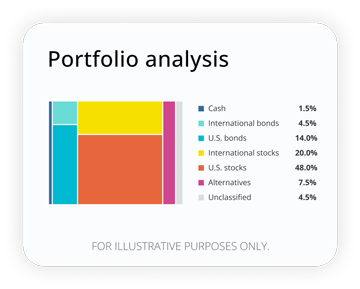
How well are your investments performing?
Analyze your portfolio in minutes and receive a target allocation for your goals.
1 Federal Reserve Bank of New York, “Quarterly Report on Household Credit and Debt, 2025: Q4 (Released February 2026),” accessed March 2026.
2 Reuters, “NY Fed: Americans' credit applications rise to highest level since October 2022,” March 2026.
3 Federal Reserve, “Consumer Credit - G.19,” accessed March 2026.
4 Reader’s Digest, “This Is How You Can Stop Getting So Much Junk Mail—for Good,” June 2025.
5 Federal Trade Commission, “What To Know About Prescreened Offers for Credit and Insurance,” accessed March 2026.
6 Experian, “What Is a Balance Transfer?” accessed March 2026.
7 The New York Times, “Court Scraps $8 Credit Card Late Fee Limit, at Consumer Bureau’s Request,” April 2025.
8 Experian, “Credit Card Authorized User vs. Cosigner: What Is the Difference?” accessed December 2025.
9 Ibid
RO5313392-0326
 Get The Currency newsletter



The Currency editors
Staff contributors
The CurrencyTM writers and editors cover the latest financial news and insights shaping how we live, work, and play. The team provides accurate, data-driven, and timely content aimed at empowering financial freedom for all.
The content contained in this blog post is intended for general informational purposes only and is not meant to constitute legal, tax, accounting or investment advice. You should consult a qualified legal or tax professional regarding your specific situation. No part of this blog, nor the links contained therein is a solicitation or offer to sell securities. Compensation for freelance contributions not to exceed $1,250. Third-party data is obtained from sources believed to be reliable; however, Empower cannot guarantee the accuracy, timeliness, completeness or fitness of this data for any particular purpose. Third-party links are provided solely as a convenience and do not imply an affiliation, endorsement or approval by Empower of the contents on such third-party websites. This article is based on current events, research, and developments at the time of publication, which may change over time.
Certain sections of this blog may contain forward-looking statements that are based on our reasonable expectations, estimates, projections and assumptions. Past performance is not a guarantee of future return, nor is it indicative of future performance. Investing involves risk. The value of your investment will fluctuate and you may lose money.
Certified Financial Planner Board of Standards Inc. (CFP Board) owns the certification marks CFP®, CERTIFIED FINANCIAL PLANNER™, CFP® (with plaque design), and CFP® (with flame design) in the U.S., which it authorizes use of by individuals who successfully complete CFP Board's initial and ongoing certification requirements.