

5 things to do in retirement while still spending wisely
5 things to do in retirement while still spending wisely
The golden years can allow people to indulge in experiences they couldn’t fit into their schedules earlier in life.
5 things to do in retirement while still spending wisely
The golden years can allow people to indulge in experiences they couldn’t fit into their schedules earlier in life.

08.27.2025

Listen
·5 things to do in retirement while still spending wisely
Key takeaways
- Older adults can have more financial flexibility for big-ticket items like travel
- Essential expenses like healthcare may motivate people to be more proactive
- Being able to act as a caregiver can be an asset for retirees’ well-being and their families
Retirement activities should make the most of a time that’s prime for joy and purpose. Being mindful of the costs is just as important in order to keep the fun going for years to come.
Retirement can bring an influx of free time, a well-earned break after dealing with the demands of professional life. For some retirees, the arrival of retirement can be like a trip to a buffet of leisure activities; for others, it’s natural to see blank space on the calendar and wonder how to fill it.
Getting a sense of the income needed in retirement can help guide people to fill up their cups with what will bring them joy. Americans are actively working toward their retirement savings goals, with the average amount standing at $491,022. Some in their 60s are already retirement millionaires, with the average saver in that group holding over $1.1 million.
Retirement can also change daily spending habits, which can call back to another time people’s incomes took a sudden turn. Consumers saw a shift in spending during the pandemic, with early income gains contributing to more disposable income.1 Similarly, people in retirement who used to have daily expenses that are no longer relevant — commuting, professional apparel, daily coffee runs — can free up those dollars to spend elsewhere.
As retirees consider putting their dollars toward things they’d been putting off or saving up for, it’s a balance of making the fun — and funds — last.
1. Explore the world
Travel like there’s no tomorrow
The golden years may be time for travel to shine: Some 13% of Americans say they're delaying big travel plans until they retire, according to Empower research.
If people haven’t already put together a “bucket list” of travel destinations, retirement is a great time to let the imagination run wild. The flexibility of being able to head off during a typical work week can unlock deals and leave wiggle room for longer stints like a road trip.
Empower findings show that 42% of people think traveling the world brings joy in retirement. Depending on money management and the power of compounding, older adults may have more to spend on trips than younger generations. From January to July this year, Baby Boomers spent a monthly average of $1,593 on travel, compared to Millennials, who spent $1,236.
Consider a new home
Without the commitment of an office commute or daily drop-offs, people may also want to set down new roots in retirement. Some could hold on to their empty-nest home — the U.S. had over 20 million of them in 2022 — though moving in retirement can help meet essential needs as priorities change. Decisions like whether to buy or rent a home, or if relocating to an active-adult community makes sense are a good place to start in the search for a forever home.
Read more: Golden age of living: 55-and-over communities ready to welcome Gen X
2. Give back to others
Volunteering time
Empower research found that 25% of Americans think volunteering makes for a happy retirement. With more free time during the work week, retirees can find opportunities at places like animal shelters, hospitals, and outreach organizations. Just as the wider community benefits, volunteering can give people a sense of purpose and a chance to dive further into their hobbies like art or leverage skills from a previous career. Building relationships during retirement through mentoring can inspire younger generations and bring fulfillment by sharing years of workforce knowledge.
Making space for caregiving
The cost of daycare has been a growing concern for working parents. Families can pay a median of $44,000 in the U.S. to send one child to daycare for five years, and in several metro areas, that price can jump to over $100,000.2
Grandparents are often seen as an alternative to daycare, and 20% of people with grandchildren under 18 care for one or more of them at least once a week. That number grows as the daily commitment drops: Close to half of grandparents (49%) care for a grandchild at least once every few months.3
The freedom of retirement can align with childcare needs, and caregiving can benefit both the grandparents and wider family. In general, grandparents who saw their grandkids on a more regular basis were less likely to identify feelings of isolation.4
3. Focus on well-being
Healthcare expenses in retirement can often jump with age, considering the potential for more doctor’s visits, prescription drugs, and long-term care. In addition to possible demand going higher, healthcare itself is expected to cost more, too. It’s been projected that the average annual growth in healthcare expenditures (5.6%) will outpace that of the U.S. gross domestic product (4.3%) through 2032.5
High blood pressure (hypertension) is the number one chronic health condition among older adults, affecting more than three in five Americans age 65 and above.6 Keeping an eye on weight, stress, and exercise levels can help prevent the need for initial treatment and fend off the wider risks of heart disease and stroke. In 2019, people with high blood pressure paid $2,759 more in medical costs compared with people without the condition.7
Americans stand behind the importance of staying fit, with a whopping 70% of people believing that health equals wealth.
4. Add a furry friend
Whether a person has been a lifelong pet parent or thinking about getting one, pets can boost mood and emotional health among older adults in particular.8 Regular walks for Fido can bring some structure to a daily schedule in retirement and promote more outdoor time.
Americans spent $318 a month on pet expenses in 2024, according to Empower Personal DashboardTM data, and retirees can see this as an investment in companionship. Empower findings show that nearly all pet owners (94%) consider their pets family members.
5. Socialize with family and friends
No need to squeeze in meetups during peak lunch and dinner hours when there’s time to spare — retirement can bring flexibility to visit loved ones at a more leisurely pace. With inflation and economic uncertainty affecting decisions on dining out, traffic to U.S. restaurants has dropped 1.7% so far in 2025.9 However, some restaurants like McDonald’s and IHOP offer senior discounts to sweeten the meal.10
Keep spending within retirement budget
When it comes to a retirement timeline, many people focus on time well spent. Empower research reveals that 48% of Americans would rather have a longer retirement period with less money, compared with retiring later in life with more.
Making sure retirement savings can fulfill those dreams is important at any age. Retirees should account for ways they’ll receive income during retirement, such as through Social Security and required minimum distributions from savings plans.
As people start tapping their retirement savings, being honest with their spending patterns in retirement will be essential to update a budget and make sure they’re still on track for retiring well.
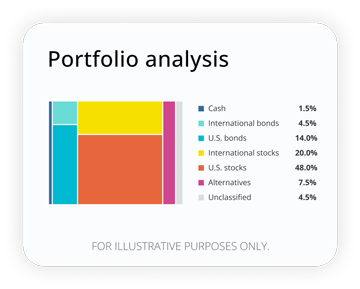
How well are your investments performing?
Analyze your portfolio in minutes and receive a target allocation for your goals.
1 Federal Reserve Bank of Cleveland, “Why Has Durable Goods Spending Been So Strong during the COVID-19 Pandemic?” July 2021.
2 The Wall Street Journal, “From $24,000 to $147,000: How Much Daycare Costs Across America,” August 2025.
3 U-M Institute for Healthcare Policy & Innovation, “Grandparents help grandkids in many ways – but the reverse may be true too, poll suggests,” November 2024.
4 Ibid
5 Centers for Medicare and Medicaid Services, “CMS Releases 2023-2032 National Health Expenditure Projections,” June 2024.
6 National Council on Aging, “The Top 10 Most Common Chronic Conditions in Older Adults,” July 2025.
7 National Center for Chronic Disease Prevention and Health Promotion, “Health and Economic Benefits of High Blood Pressure Interventions,” December 2024.
8 UCI Health, “The power of pets for older adults,” May 2025.
9 The Wall Street Journal, “McDonald’s to Cut Combo-Meal Prices After Convincing Franchisees,” August 2025.
10 SeniorLiving.org, “Senior Discounts in 2025,” August 2025.
RO4770512-0825
 Get The Currency newsletter



The Currency editors
Staff contributors
The CurrencyTM writers and editors cover the latest financial news and insights shaping how we live, work, and play. The team provides accurate, data-driven, and timely content aimed at empowering financial freedom for all.
The content contained in this blog post is intended for general informational purposes only and is not meant to constitute legal, tax, accounting or investment advice. You should consult a qualified legal or tax professional regarding your specific situation. No part of this blog, nor the links contained therein is a solicitation or offer to sell securities. Compensation for freelance contributions not to exceed $1,250. Third-party data is obtained from sources believed to be reliable; however, Empower cannot guarantee the accuracy, timeliness, completeness or fitness of this data for any particular purpose. Third-party links are provided solely as a convenience and do not imply an affiliation, endorsement or approval by Empower of the contents on such third-party websites. This article is based on current events, research, and developments at the time of publication, which may change over time.
Certain sections of this blog may contain forward-looking statements that are based on our reasonable expectations, estimates, projections and assumptions. Past performance is not a guarantee of future return, nor is it indicative of future performance. Investing involves risk. The value of your investment will fluctuate and you may lose money.
Certified Financial Planner Board of Standards Inc. (CFP Board) owns the certification marks CFP®, CERTIFIED FINANCIAL PLANNER™, CFP® (with plaque design), and CFP® (with flame design) in the U.S., which it authorizes use of by individuals who successfully complete CFP Board's initial and ongoing certification requirements.