

When to hire a CPA: 8 signs to consider stopping doing your own taxes
When to hire a CPA: 8 signs to consider stopping doing your own taxes
Hiring a CPA can help increase the accuracy of tax returns and optimize your tax strategy well beyond filing season
When to hire a CPA: 8 signs to consider stopping doing your own taxes
Hiring a CPA can help increase the accuracy of tax returns and optimize your tax strategy well beyond filing season

02.26.2026
Key takeaways
- Hiring a certified public accountant (CPA) can help you minimize tax liability at filing time and beyond.
- While anyone can benefit from having expert guidance, those with high incomes, complex investments, or their own business may find working with a CPA particularly beneficial.
- Experiencing a major life change like marriage, divorce, moving, and buying or selling a home can be a good reason for hiring a CPA.
If you have questions about your taxes this year, you might also be wondering if hiring a pro could make things easier. Working with a certified public accountant (CPA) can be especially helpful for more complex tax situations or when a life event adds additional considerations and responsibilities at filing.
A common time to seek out a CPA is during tax season, but working with an accountant can be beneficial year-round. They can help ensure compliance with tax requirements and identify potential tax efficiencies where possible. Plus, working with a professional can provide much needed guidance and reassurance that you’re making the right moves with your finances.
Here are eight signs that working with a CPA may be a good option.
1. A major life change occurred in the past year
Life changes can have a significant impact on tax liability. Marriage, divorce, the birth or adoption of a child, moving, or a job change are just a few examples of events that can affect filing status and eligibility for deductions or credits.1 Working with a tax professional can help ensure the correct approach is taken and that all available deductions and credits are considered.
2. You have high income and/or complex investments
Higher income levels and diversified investments can introduce additional tax considerations, including phaseouts, surtaxes (such as the Net Investment Income Tax (NIIT), and capital gains implications.2 Selling cryptocurrency investments or receiving stock compensation — such as restricted stock units (RSUs), stock options, or through employee stock purchase plans (ESPPs) — can significantly affect tax treatment.
3. Your investment losses exceeded gains
If investment losses exceed total capital gains, up to $3,000 (or $1,500 if married filing separately) of the remaining investment loss can be used to offset ordinary income, such as wages.3 Because of the timing of sales and the type of investments matter, deducting investment losses can become complicated, especially for investors with multiple accounts or frequent trades. Working with a CPA before the end of the tax year can help investors make informed decisions about tax-loss harvesting and rebalancing their portfolio.
Read more: Wash-sale rule: A key consideration in tax-loss harvesting
4. You started a new business or earned self-employment income
Business ownership and freelance income often require estimated tax payments, additional forms, and careful recordkeeping. A CPA can help ensure the business or side hustle is structured appropriately and that the correct tax forms are filed at the federal, state, and local levels. They can also help identify strategies to minimize tax liability throughout the year through proactive planning, including properly documenting expenses and identifying eligible deductions and credits.4
5. You received a windfall or inheritance
Large sums of money or inherited assets can carry tax implications depending on the source and how funds are managed. In the case of an inheritance, a CPA can help you understand the full scope of what you’ve received and coordinate with estate planning professionals to make sure everything is handled properly. They can also help you understand any applicable state and local taxes, as well as how your responsibilities may differ between account types.5
For example, inheriting a individual retirement account (IRA) comes with a different set of distribution rules depending on your relationship with the owner and their age at the time of passing. Some beneficiaries are required to take required minimum distributions, which can impact adjusted gross income (AGI) and tax liability.
Read more: Taxes on inheritance and how to avoid them
6. You own a rental property
Rental income, depreciation, and expense deductions can add complexity to a return.6 New landlords could benefit from having a tax professional guide them through filing the appropriate tax forms and making the necessary calculations for deductions. Homeowners who are transitioning their property from a primary residence to a rental — or investors renting a property for the first time — may especially benefit from working with a tax professional, as the IRS outlines special rules for reporting rental income, expenses, and property converted to rental use.7
7. Buying or selling a home
Whether buying or selling, real estate transactions come with many short- and long-term financial implications that may require professional guidance. Real estate transactions can affect deductions, exclusions, and potential capital gains taxes.8 Whether the property will be for personal use or as a rental, a CPA can assess financial feasibility, identify potential tax savings, and analyze the impact of your real estate investment as part of your broader financial goals.
8. You didn’t file a prior year’s tax return
If you failed to file a tax return in a prior year, working with a CPA can help you get back on track. Catching up on unfiled returns may involve penalties, interest, and coordination with the IRS or state tax authorities, but a professional tax preparer may be able to help minimize penalties and even claim a refund, if applicable.9,10
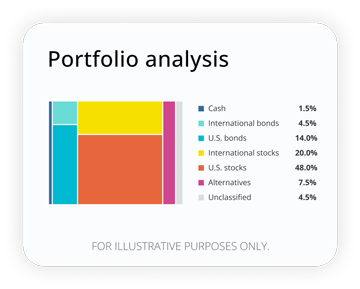
How well are your investments performing?
Analyze your portfolio in minutes and receive a target allocation for your goals.
1 IRS, “Managing your taxes after a life event,” September 2025.
2 IRS, “Find out if net investment income tax applies to you,” July 2025.
3 IRS, “Topic no. 409, Capital gains and losses,” February 2026.
4 IRS, “Selecting a tax professional as a small business taxpayer,” March 2024.
5 IRS, “Gifts and inheritance,” December 2025.
6 IRS, “Topic no. 414, Rental income and expenses,” January 2026.
7 IRS, “Publication 527 (2025), Residential Rental Property,” January 2026.
8 IRS, “Publication 523 (2024), Selling Your Home,” February 2025.
9 IRS, “Failure to file penalty,” February 2026.
10 IRS, “Filing past due tax returns,” May 2025.
RO5249502-0226
 Get The Currency newsletter
News and know-how for whatever money decision comes next.
*If you’re already registered with Empower, please use the same email address as your existing account.

The Currency editors
Staff contributors
The CurrencyTM writers and editors cover the latest financial news and insights shaping how we live, work, and play. The team provides accurate, data-driven, and timely content aimed at empowering financial freedom for all.