

Is jewelry a good investment?
Is jewelry a good investment?
Fine jewelry can hold value, but markups, market swings, and resale costs mean it often works best as a collectible — not a core portfolio holding
Is jewelry a good investment?
Fine jewelry can hold value, but markups, market swings, and resale costs mean it often works best as a collectible — not a core portfolio holding
01.20.2026
Key takeaways
- Jewelry is usually illiquid, so resale offers can be far lower than retail prices — especially for everyday pieces.
- Pieces with strong documentation, high-purity metals, and in-demand brands tend to hold value better over time.
- Lab-grown diamond prices have fallen sharply in recent years, which can limit resale value compared with natural stones.
Mention investing and most people think of stocks, bonds, retirement accounts, and real estate — not what’s in a jewelry box. But jewelry can act like a collectible asset: It may hold some value over time, and in the right circumstances, it can sell for more than you paid. The catch is that jewelry is usually hard to price, costly to store and insure, and expensive to resell. So, for most people, it’s best treated as a wearable purchase first and an investment second.
Jewelry vs. precious metals: what you’re really buying
Gold, silver and other precious metals, sold in nuggets or bars, have historically been seen as attractive investments that can help diversify a portfolio. But when precious metals are turned into jewelry, their value changes.
The value of any jewelry item is usually determined by the individual piece, not the sum of its parts. Jewelry prices are typically affected by craftmanship and exclusivity. Plus, retail stores often sell jewelry at a markup, which means that items can cost 35% more than the actual metals and gems are worth.1
That said, one of the benefits of investing in jewelry is the low barrier to entry. You don’t have to spend tens of thousands of dollars to invest in an item that could eventually turn a profit, even if it’s a small one. If you have decided to add fine jewelry to your investment portfolio, you have a plethora of metals and gems to consider, from gold to platinum to silver.
When can jewelry hold value?
Jewelry is most likely to hold value when demand is durable, and the piece is easy for a buyer to authenticate and resell. That tends to be more common for:
- High-purity precious metals (for example, higher-karat gold)
- Recognized luxury brands and iconic styles with consistent secondary-market demand
- Rare or investment-grade gemstones (a niche market that often requires expert grading)
Well-documented vintage or estate pieces with strong provenance
Even then, returns aren’t guaranteed. The price spread between retail amounts, appraisals, and cash offers can be wide, and markets can cool.
Gold jewelry: what affects resale value
If you’re thinking about resale, start with purity. Gold is commonly marked by karat (for example, 14K or 18K) or by a fineness stamp. A “585” stamp typically indicates 14-karat gold, meaning 58.5% pure gold. A “750” fineness mark is a common standard for 75% gold (often referred to as 18-karat).
Condition, weight, and brand matter, too. A heavier piece generally contains more metal value, while a well-known designer piece may command a premium beyond melt value — but only if there’s demand and documentation.
Diamonds and lab-grown stones: why resale can disappoint
Many diamonds don’t resell for what they cost at retail because the original price often reflects retail overhead and branding. Rare stones — like large, high-quality, or fancy-color diamonds — can behave differently, but that’s a specialized market.
The price of natural diamonds fluctuates. Their value fell 26% from 2023 to early 2025 due to inflation and a drop in demand for luxury goods, but prices rose about 6-10% from January to August last year. De Beers said its rough diamond production in Q2 2025 dropped by 36% to 4.1 million carats year-over-year due to a prolonged period of lower demand.2
Lab-grown diamonds have also faced sharp price declines, down 74% from 2020 to 2025, which can make resale value harder to predict. If resale is important to you, ask how the stone is graded, whether it comes with a third-party report, and what the seller’s buyback or trade-in policies look like.
Watches: collectible upside, real volatility
Luxury watches are sometimes considered alternative investments, but prices can move quickly. The pandemic era saw big price run-ups in the secondary market, followed by a multi-year cooldown for many top models. A 39% tariff on Swiss imports, including watches, went into effect last year as well.3 As a result of tariffs and the soaring price of gold, which topped $4,000 an ounce in October, and the strength of the Swiss franc, many luxury watch makers are raising prices.4
If you’re buying a watch with resale in mind, consider authenticity, service history, and demand for the exact reference. Even within well-known brands, some models are much easier to resell than others.
Read more: All that glitters: How to invest in gold
How to protect and document your purchase
Documentation can make a meaningful difference in resale offers. If you buy a piece that you may want to sell later, keep:
- Original receipts and any return or trade-in paperwork
- Grading reports for gemstones (for example, a GIA report for a diamond)
- Brand packaging, serial numbers, and authenticity cards when available
- Service records (especially for watches)
- Appraisal paperwork (helpful for insurance, but not always the same as resale value)
Consider safe storage and appropriate insurance for high-value pieces. Insurance appraisals often reflect replacement costs, which may differ from what you could receive in a sale.
How to estimate what your jewelry is worth
Each potential buyer will value your jewelry differently, especially if it has specialty cuts and designs. The goal for most jewelers is to purchase these items to resell or melt down to create new designs.
When you’re ready to sell, help set yourself up for success by working with a reputable appraiser. You can also use an online site to calculate your item’s gold scrap value by providing the weight and purity of the metal. Keep in mind that the IRS (Internal Revenue Service) considers metals and gems to be collectibles, which means you will typically owe a 28% capital gains tax on your investment gold and jewelry.5,6
Frequently asked questions about investing in jewelry
Is jewelry a good investment compared with stocks or gold bars?
Jewelry can diversify what you own, but it’s typically less liquid and has higher transaction costs. If you’re investing primarily for returns, traditional diversified assets tend to be easier to buy, hold, and sell.
Does gold jewelry hold its value?
Often, the most liquid value is the metal content. Higher-karat pieces and well-known brands may hold value better, but resale offers can still be well below retail.
Do diamonds appreciate in value?
Many diamonds don’t rise in value enough to overcome retail markups. Rare stones — like large, high-quality, or fancy-color diamonds — can behave differently, but they’re specialized markets.
Do lab-grown diamonds have resale value?
Lab-grown diamonds can be a lower-cost choice for wearing, but resale value may be limited because supply can expand quickly and prices have fallen in recent years.
What paperwork helps jewelry hold value?
Keep receipts, grading reports, service records for watches, and any brand paperwork. Clear provenance and third-party documentation can make it easier for buyers to price and authenticate your piece.
Where can you sell jewelry?
Options include local jewelers, online marketplaces, consignment shops, and specialty dealers. Getting multiple quotes can help you understand the difference between an insurance appraisal and a cash offer.
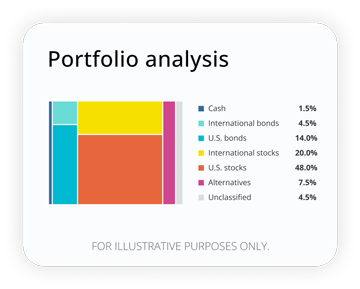
How well are your investments performing?
Analyze your portfolio in minutes and receive a target allocation for your goals.
1 MarketWatch, “3 golden rules for buying jewelry you can wear — and resell at a profit,” Dec. 24, 2019.
2 De Beers, “Production Report for the Second Quarter of 2025,” July 24, 2025.
3 Robb Report, “Why Luxury Watch Brands Are Feeling Squeezed by the Market,” Oct. 24, 2025.
4 Ibid
5 IRS, “Issue Snapshot - Investments in collectibles in individually directed qualified plan accounts,” Accessed January 2026.
6 IRS, “Topic no. 409, Capital gains and losses,” Accessed January 2026.
RO5105880-0126
 Get The Currency newsletter

The Currency editors
Staff contributors
The CurrencyTM writers and editors cover the latest financial news and insights shaping how we live, work, and play. The team provides accurate, data-driven, and timely content aimed at empowering financial freedom for all.
The content contained in this blog post is intended for general informational purposes only and is not meant to constitute legal, tax, accounting or investment advice. You should consult a qualified legal or tax professional regarding your specific situation. No part of this blog, nor the links contained therein is a solicitation or offer to sell securities. Compensation for freelance contributions not to exceed $1,250. Third-party data is obtained from sources believed to be reliable; however, Empower cannot guarantee the accuracy, timeliness, completeness or fitness of this data for any particular purpose. Third-party links are provided solely as a convenience and do not imply an affiliation, endorsement or approval by Empower of the contents on such third-party websites. This article is based on current events, research, and developments at the time of publication, which may change over time.
Certain sections of this blog may contain forward-looking statements that are based on our reasonable expectations, estimates, projections and assumptions. Past performance is not a guarantee of future return, nor is it indicative of future performance. Investing involves risk. The value of your investment will fluctuate and you may lose money.
Certified Financial Planner Board of Standards Inc. (CFP Board) owns the certification marks CFP®, CERTIFIED FINANCIAL PLANNER™, CFP® (with plaque design), and CFP® (with flame design) in the U.S., which it authorizes use of by individuals who successfully complete CFP Board's initial and ongoing certification requirements.