

How does refinancing a mortgage work? Get a sense check
How does refinancing a mortgage work? Get a sense check
In this edition of Sense Check, Empower’s Jennifer McMeans weighs in on factors to consider to help determine if the timing for refinancing is right
How does refinancing a mortgage work? Get a sense check
In this edition of Sense Check, Empower’s Jennifer McMeans weighs in on factors to consider to help determine if the timing for refinancing is right

11.20.2025

Listen
·How does refinancing a mortgage work? Get a sense check
Key takeaways:
- Refinancing replaces your current mortgage with a new one — often with improved rates, terms, or flexibility
Refinancing replaces your current mortgage with a new one — which often can include improved rates, terms, or flexibility
Closing costs can run about 2%-6% of the loan amount
Your credit score may dip temporarily due to a refinancing inquiry, but the effect is generally small and short-lived
Mortgage interest can generally still be deducted after refinancing, but IRS limits apply
Refinancing replaces your existing mortgage with a new one — usually to secure better terms, and sometimes to access home equity. It can help save on interest, lower monthly payments, or reduce the length of the loan — but it’s not always the right move depending on costs, timing, and personal goals. Understanding factors like rate trends, loan terms, fees, and tax implications can determine whether refinancing makes sense for your financial situation.
What exactly is refinancing? Simply put, refinancing means you replace your existing mortgage loan with a new one. Typically, you’re looking for more favorable terms that work for your financial situation. With a refinance, your new lender pays off your old loan in full, and then you begin making payments towards the new loan. Refinancing can be a smart financial move when the conditions are right — but timing and weighing all the options matter.
When is the right time to refinance?
There are several considerations for determining when it’s the right time to refinance, and everyone’s circumstances are different. You might wish to switch from an adjustable-rate mortgage (ARM) to a fixed loan, or you could have a situation come up where you need to tap into your home equity. Typically, the goal of refinancing is to save money, which can happen in three ways: Lowering your interest rate, lowering the monthly payment, and reducing the total interest over the life of the loan.
If you’re considering refinancing, you can shop around for rates, and then do the math for how much you might save in interest and front-end payments. Usually, if the available rate is at least a percentage point lower than what your current rate is, refinancing can make sense. Ultimately, if the terms aren't favorable enough to save you money in the long run, you may want to consider holding off.
Read more: Housing market update: Refinancing is back in play as rates ease
Are there costs to refinance?
Refinancing is not a free process. There are fees very similar to an original loan as well as closing costs associated with it, and those can potentially tip the scales.
Closing costs can typically run anywhere from 2% to 6% of the loan amount. The fees might include such things as an application fee, a loan origination fee for the new loan, an appraisal fee, title search and title insurance, recording fees with the government and your local offices, prepaid interest on your loan, escrow funding, points, and credit reporting. The loan origination fee is a percentage — usually 0.5%-1%. Other fees will vary depending on the lender.
Sometimes these costs can be rolled into the new loan, which may be an option for people who do not have the money set aside. However, there is a caveat with this approach: It adds to the total loan and can increase payment amounts — potentially even above what you’re currently paying, which can sometimes be the case for those who are looking to reduce the term of their loan. You can also request a “no closing-cost refinance,” whereby the lender pays your fees in exchange for a higher interest rate.
Lower rate or shorter term?
Lowering your rate tends to be more favorable because you can stretch out the loan term. If cash flow is the top priority, pursuing a lower rate for a 30-year term can make sense, especially if you are planning for a shorter stay in the home. Down the road, if cash flow allows you can explore options to shorten your payoff timeline.
For some people, it can be challenging to opt for a shorter term because it typically results in a higher monthly payment. However, refinancing to a shorter-term loan can be advantageous in some situations. For example, for people who are nearing retirement and don’t want to have a loan when they’re retired, a shorter loan may make sense, especially if they’re currently in their highest earning years. It means a higher payment, but lower overall interest paid — which may appeal to some people.
Fixed vs. adjustable-rate mortgages
The decision of whether to take either a fixed loan or an ARM really comes down to individual comfort level and how long you want to stay in that home.
A fixed mortgage payment is locked in for the term of the mortgage loan, so in effect the real cost of the mortgage payment decreases every year by the level of dollar inflation. After a few decades, the mortgage payment could potentially be half its original cost in real terms. A fixed rate is likely going to be higher than an ARM to start, but if the plan is to stay in a home long-term, a fixed loan offers payment stability. The escrow portion of your payment can go up, but the primary mortgage rate will not change. That’s why some people who are already locked in at a rate may not make a move — they don’t want to pay today’s interest rates.
If you’re considering an ARM, keep in mind there are several different types. It’s important to understand the underlining terms and when new rates kick in. An ARM can make sense for someone who plans to sell the property before the rate increases. Or if you expect you’ll have to relocate for a job, it might be advantageous to take advantage of the lower initial interest rate. There is some risk to consider with an ARM: After the initial interest term, the rate may increase to an amount over the current fixed offering. This can be important if cash flow for expenses is limited by mortgage payments. A good rule of thumb is to try to keep total housing costs plus debt payments within 36% or less of your monthly gross income.
Read more: New credit scoring options could expand mortgage access
Cash-out refinancing
The cost to refinance can sometimes be lower than the cost to get a home equity line of credit. A cash-out refinancing can be an advantageous tool for homeowners who need to access funds for major purposes like home improvements, allowing you to tap into the equity. It works particularly well if your home has significantly appreciated in value since you purchased it. The cash out loan replaces your current mortgage with a new one that's larger, enabling you to take the difference in cash. Generally, the lender will want you to leave 20% equity in the home, so it does limit how much you can take.
Funds from a cash-out refinancing can be used for anything you need, from college tuition to healthcare bills, but keep in mind, only certain home expenses can be deducted when you do your taxes. Additionally, you do not pay capital gains taxes on the amount that you cash out — those capital gains aren't subject to taxation until you sell the home.
Mortgage recasting and lump-sum payments
If you want to keep your current rate but want to lower your monthly payment, you could explore whether making a lump sum contribution and requesting a mortgage recast (re-amortization) is allowed. Conventional loans are typically eligible for recasting, while those that are backed by the government, such as VA, USDA, and FHA loans, often are not. Even if the type of loan is allowed to be recast, not all loan servicers will allow it, so you’ll want to speak to the company that holds your loan.
There are potential advantages of a recast. Making the lump sum payment permanently lowers the monthly payment, while at the same time you can keep the same rate and the loan is ‘recast’ (re-amortized) over the same term at the same rate. There is often a fee of up to as much as $500, but no closing costs.1
Typically, you can speak to your lender and ask if a recast is available. Based on the dollar amount you would like your new payment to be, they can do the math to determine how much of a lump sum payment you would need to make. Keep in mind, if you do not have the cash readily available, there may be tax considerations depending on where you access the funds.
How refinancing affects your credit score
When you refinance, your credit score will take a temporary hit — but the impact is often small and can be short-lived if you manage it carefully. When you apply for a new loan, the lender does an inquiry on your credit, called a hard pull, which typically lowers your credit score by five or 10 points. Even if you shop around among multiple lenders, there’s a 45-day window for all hard pulls on the same type of loan, so multiple inquiries during that window will only count as one inquiry for scoring points purposes under FICO rules. While the inquiry itself will stay on your report for two years, it usually only affects the score for the first year.
Keep in mind, before you inquire with lenders, it can be a good idea to check your credit report on Annual Credit Report to ensure that everything is being reported correctly and there’s no suspicious activity.
Read more: Who needs perfect? For credit scores, it pays to be in the ballpark
Tax implications
Refinancing can sometimes have an impact on taxes — it really depends on how you use the funds and how your deductions are structured.
If you refinance to get a better rate or adjust your term, the main impact to your tax return is going to be your mortgage interest deduction. Generally, you can continue to deduct the mortgage interest on the loan if the refinance is on your primary home or your secondary residence. However, it can't be used on a rental or investment property. Additionally, only the portion that's used to buy, build or substantially improve your home will qualify for a deduction. Keep in mind deductions must stay within the IRS limits, and those can change, so it may make sense to consult with a tax professional.
Frequently asked questions about refinancing
How do I know if refinancing will save me money?
Run the numbers on your total interest savings and compare rates. Generally, if the new rate is at least 1% lower than your current one, refinancing could be worthwhile — provided the closing costs don’t outweigh the benefits.
Can I roll refinancing costs into my new loan?
Yes, but doing so increases your loan balance and total interest over time. Some people prefer this if they don’t have cash set aside for upfront costs.
What’s the difference between a fixed-rate and an adjustable-rate mortgage?
A fixed-rate mortgage locks in your payment for the life of the loan, offering stability. An adjustable-rate mortgage (ARM) starts with a lower rate but can rise later — so it can make sense for those planning to sell or move before adjustments kick in.
What are the tax implications of refinancing?
You can generally continue deducting mortgage interest if the refinance is on your primary or secondary home. However, only the portion used for home improvements may qualify for additional deductions, and IRS limits apply.
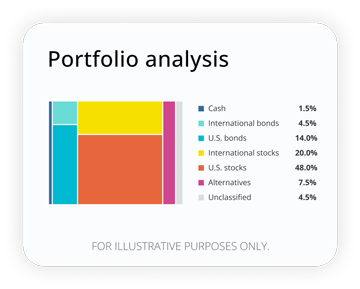
How well are your investments performing?
Analyze your portfolio in minutes and receive a target allocation for your goals.
1 U.S. News & World Report, “What Is Mortgage Recasting?” July 7, 2025.
RO5001922 -1125
 Be current.



Jennifer McMeans, CRPS™, CLU®
Contributor
Jennifer McMeans, CRPS™, CLU®, is an Options and Real Estate Specialist at Empower. She helps clients align their goals and values with a wide spectrum of advanced planning needs, including charitable giving, equity compensation, debt management, deferred compensation, mortgage and real estate, net unrealized appreciation, and private equity.
The content contained in this blog post is intended for general informational purposes only and is not meant to constitute legal, tax, accounting or investment advice. You should consult a qualified legal or tax professional regarding your specific situation. No part of this blog, nor the links contained therein is a solicitation or offer to sell securities. Compensation for freelance contributions not to exceed $1,250. Third-party data is obtained from sources believed to be reliable; however, Empower cannot guarantee the accuracy, timeliness, completeness or fitness of this data for any particular purpose. Third-party links are provided solely as a convenience and do not imply an affiliation, endorsement or approval by Empower of the contents on such third-party websites. This article is based on current events, research, and developments at the time of publication, which may change over time.
Certain sections of this blog may contain forward-looking statements that are based on our reasonable expectations, estimates, projections and assumptions. Past performance is not a guarantee of future return, nor is it indicative of future performance. Investing involves risk. The value of your investment will fluctuate and you may lose money.
Certified Financial Planner Board of Standards Inc. (CFP Board) owns the certification marks CFP®, CERTIFIED FINANCIAL PLANNER™, CFP® (with plaque design), and CFP® (with flame design) in the U.S., which it authorizes use of by individuals who successfully complete CFP Board's initial and ongoing certification requirements.